John Stewart Fabila-CarrascoResearch Engineer in NLP, Graph ML, and Structured Data
Selected work

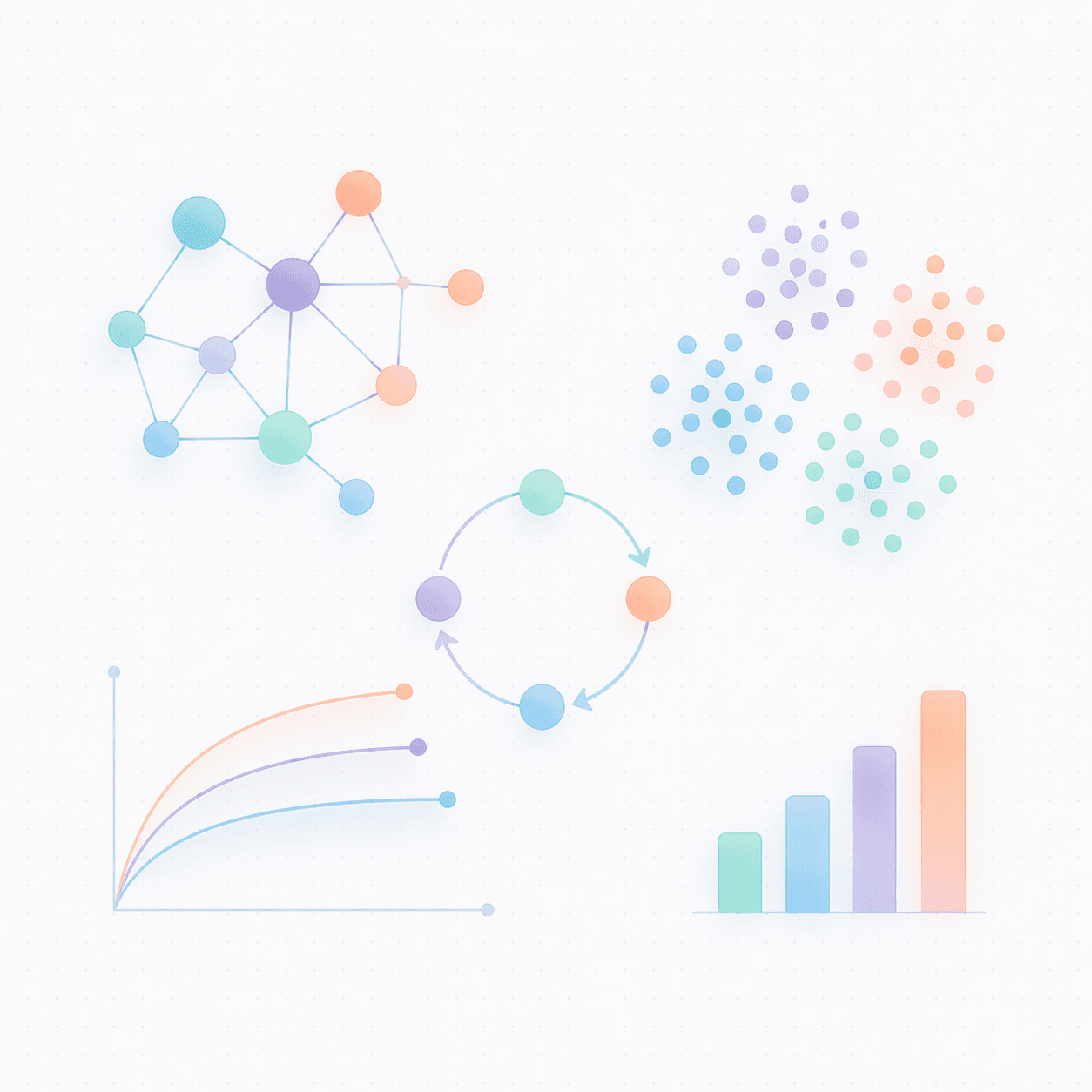
Five research areas that connect the main themes in my work.

My work connects graph structure with language, scientific signals, network data, and decision-support analytics.

Summary

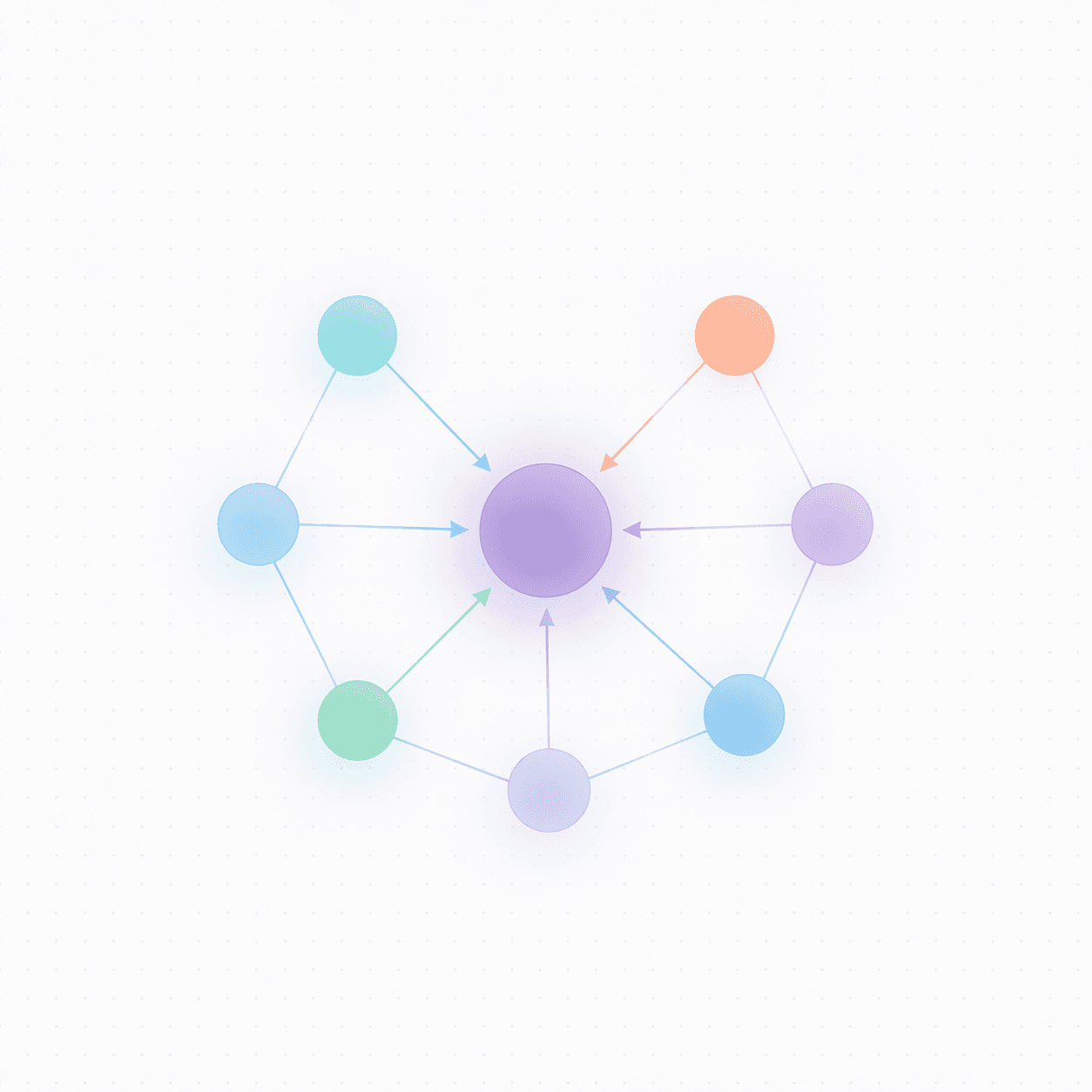
NLP and Graph Representation Learning

I work on language modelling and structured reasoning problems where graph representations help make context, relationships, and evaluation more explicit.

Why it matters

Many language tasks depend on structure across entities, documents, or contexts. Graph-based methods help make those relationships explicit and easier to evaluate.

Methods

NLP model developmentGraph representation learningExperiment design and evaluationComparative baselines and ablations

Tools

PythonPyTorchCUDAHugging FaceJupyterGit

Evidence

Current postdoctoral work in Cardiff focuses on NLP and graph representation learning, with GPU-accelerated training and evaluation in Python, PyTorch, and CUDA.

AI/MLNLPGraph MLPyTorch
What I worked onExpand

I build reproducible Python and PyTorch workflows for NLP experiments that combine graph representation learning, GPU-accelerated training, and clear evaluation logic.

This is the part of my work that maps most directly to research-engineer and applied-scientist roles. It combines current NLP work with graph-aware representations and a practical emphasis on experiment design, comparative baselines, and measurable iteration.

In practice, I take open-ended modelling questions, turn them into tractable workflows, and produce evidence that other researchers or technical teams can build on.

Methods and tools

This work combines modern ML tooling, structured representations, and reproducible experimentation.

Selected outputsExpand

Summary

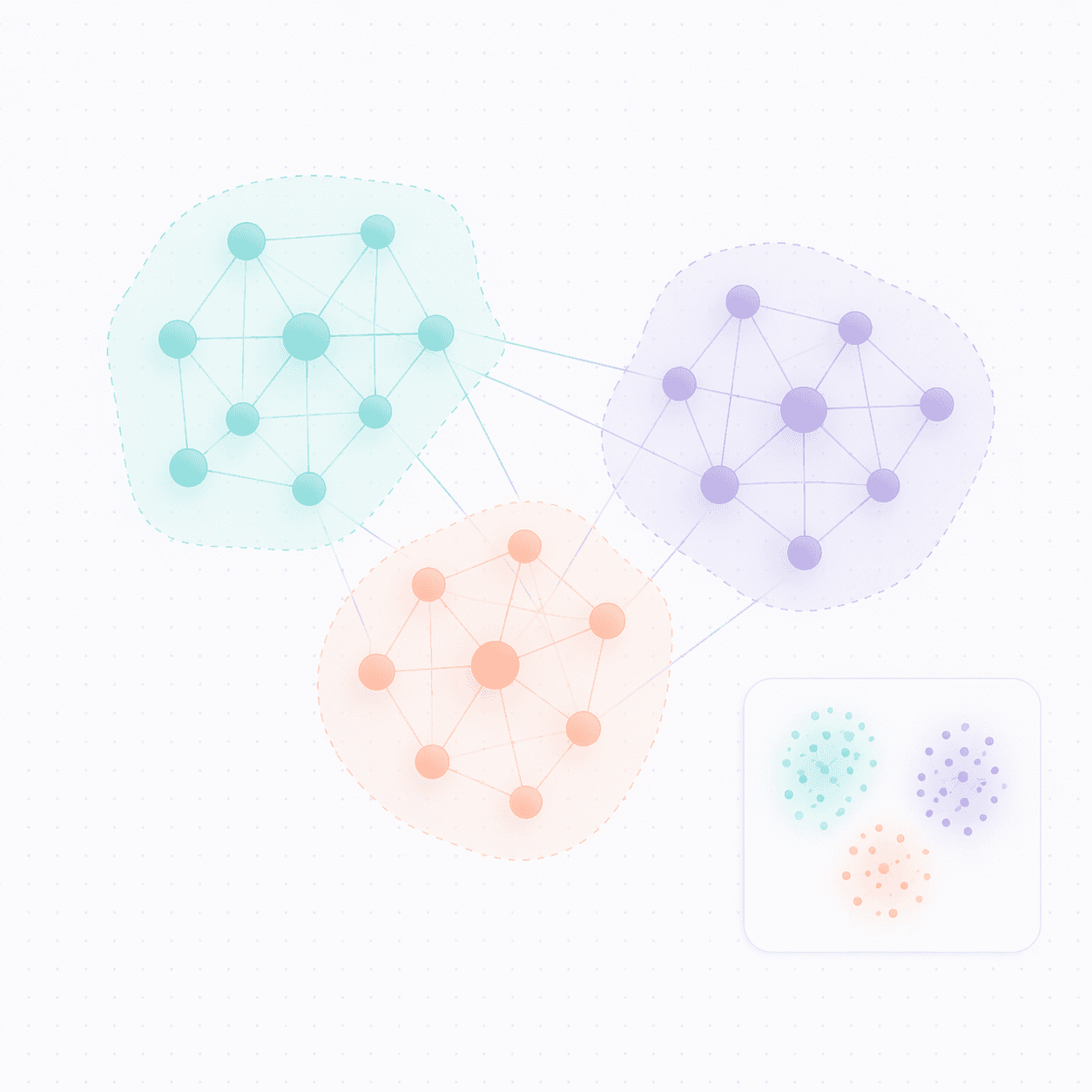
Scalable Graph Clustering and Representation

I designed clustering methods for large graph-structured datasets, with a strong focus on efficiency, structure, and reproducible analysis.

Why it matters

Many relational datasets depend on structure, constraints, and computational cost all at once. Clustering has to respect the graph as well as the runtime budget.

Methods

Spectral clusteringSigned LaplaciansCommunity detectionConstraint-aware graph optimisation

Tools

PythonNumPyPandasJupyter

Evidence

This work supported scalable experimentation on large graph-structured datasets and contributed to later publication work on constrained graph clustering.

Graph MLClusteringScalable learningTheory
What I worked onExpand

I designed scalable clustering algorithms and reworked computational pipelines for community detection and constrained graph partitioning on high-dimensional networks.

This work takes spectral methods into a more engineering-facing direction by paying close attention to runtime, large-network behaviour, and the practical cost of experimentation.

I approach these graph problems as modelling tasks that need tractable algorithms, careful comparisons, and clear reasoning about trade-offs.

Methods and tools

In this work, I focused on making graph-clustering methods practical for larger and more complex datasets while keeping the mathematical reasoning intact.

Selected outputsExpand

Summary

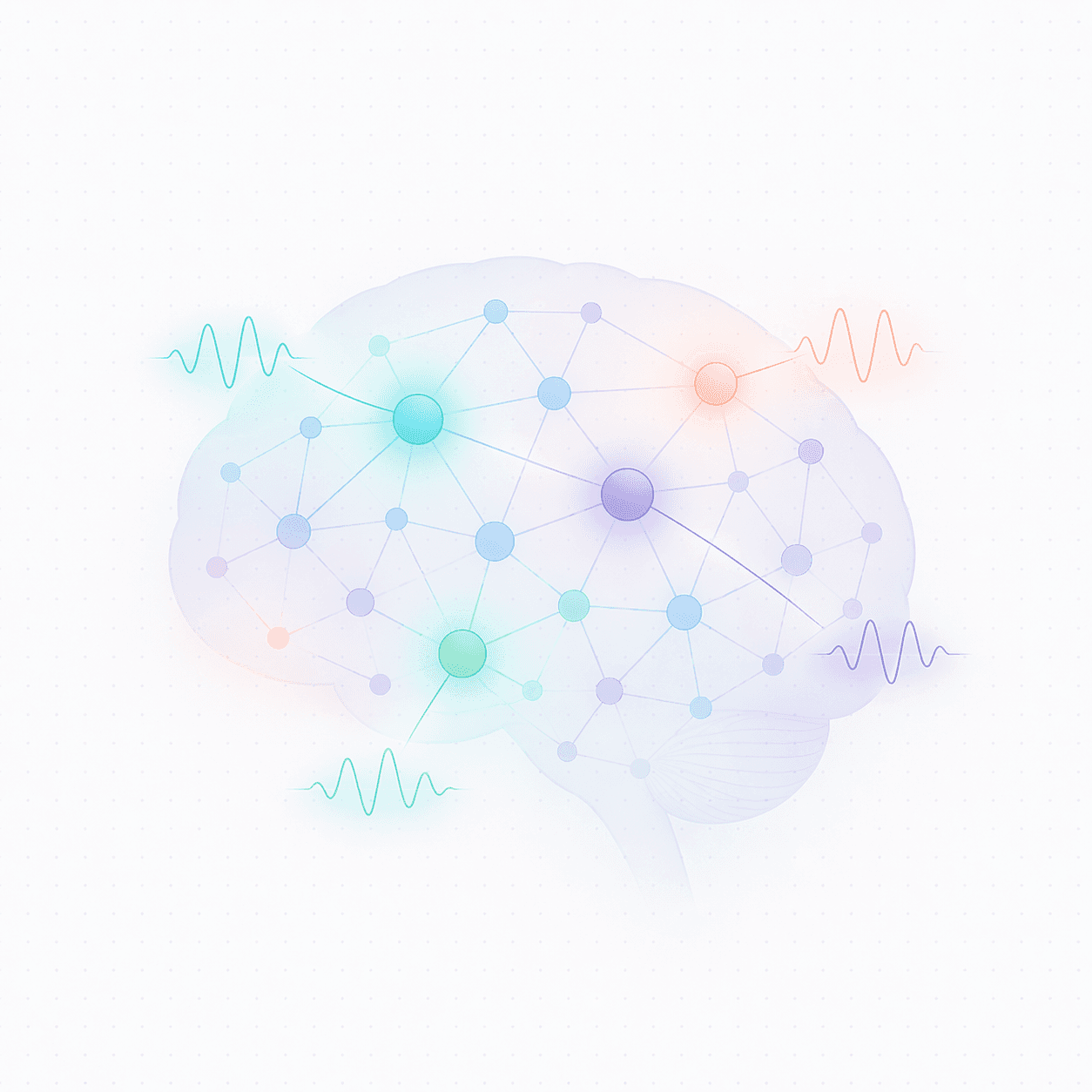
Scientific ML for EEG, fMRI, and Difficult Signals

I built graph-based methods for nonlinear dynamics in EEG, fMRI, DTI-network data, and other difficult scientific signals.

Why it matters

Scientific datasets are often noisy, high-dimensional, and structured. Standard signal-processing pipelines can miss the network relationships inside the data.

Methods

Graph signal processingEntropy metricsPermutation-pattern analysisNoise-robust multiscale analysis

Tools

PythonMATLABScientific computingSignal-processing workflows

Evidence

The evidence includes papers at ICASSP, EUSIPCO, and IEEE TSIPN, all centred on graph-based analysis of clinically difficult or noisy structured signals.

HealthcareGraph Signal ProcessingScientific MLApplications
What I worked onExpand

I developed graph-signal entropy and permutation methods for EEG, fMRI, DTI networks, and other complex signals, with explicit attention to robustness under realistic noise conditions.

This work matters because the datasets are not clean benchmarks. They are clinically difficult, high-dimensional, and noisy, which makes the experimental discipline itself a transferable skill.

It also reflects how I work on applied research problems: when standard tools do not match the structure of the data, I adapt methods carefully and validate them through domain-grounded experiments.

Methods and tools

This work brings together nonlinear methods, graph-structured signals, and high-dimensional biomedical data under realistic noise and application constraints.

Selected outputsExpand

Summary

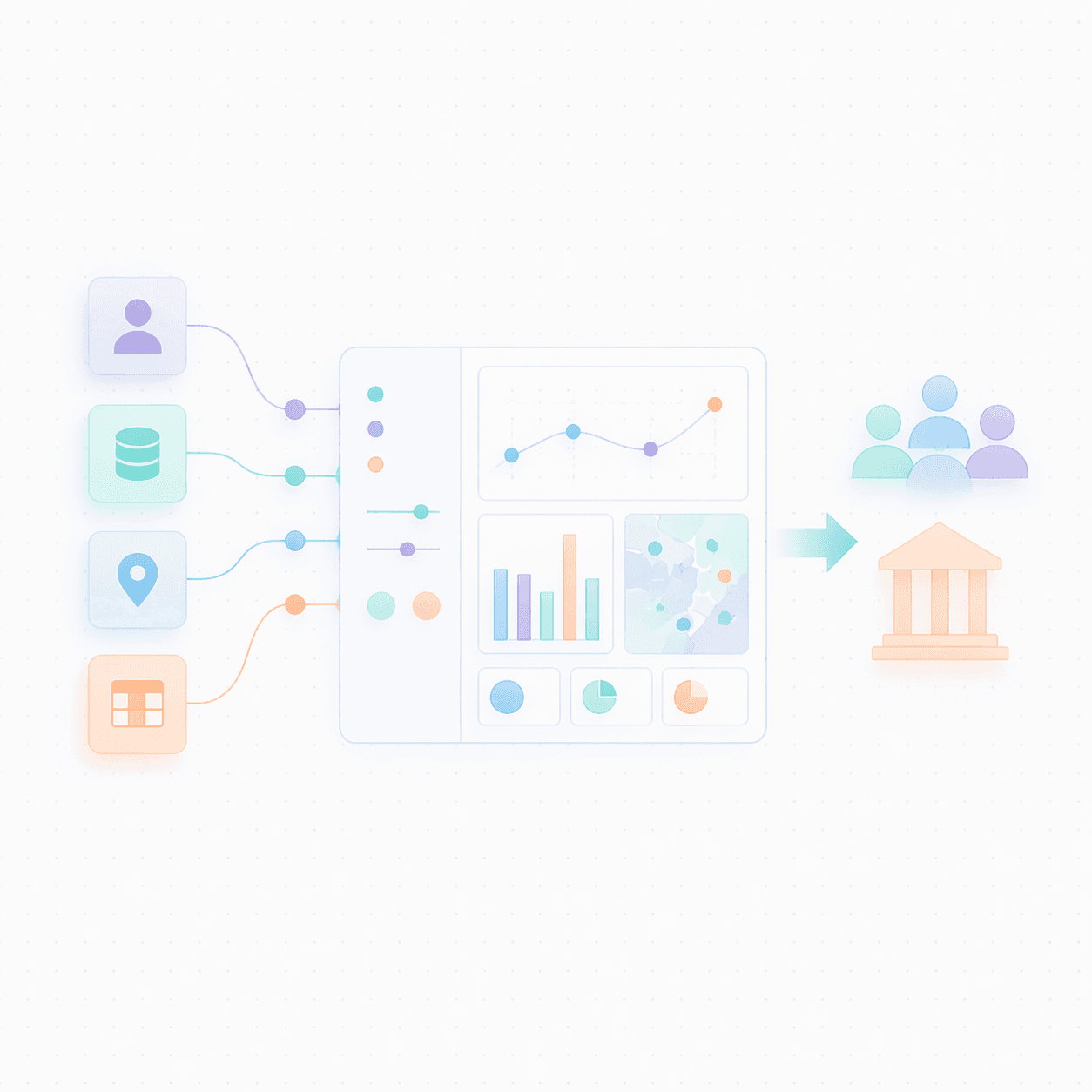
Public-Sector Analytics and Decision Support

I led modelling and dashboard work on national education and census datasets, connecting quantitative analysis to real policy decisions.

Why it matters

Large datasets only support decisions when the analysis is reproducible, interpretable, and usable by non-technical stakeholders.

Methods

Multilevel regressionGIS and socioeconomic data integrationDashboard designReproducible analytics pipelines

Tools

RShinyStatistical modellingData visualisation

Evidence

The work covered nationwide assessment and census data, GIS integration, dashboard-based decision support for policy teams, and analysis that helped reduce decision cycles from weeks to hours.

Applied analyticsDecision supportDashboardsPublic sector
What I worked onExpand

I led end-to-end statistical modelling on national assessment and census data, integrated GIS and socioeconomic information, and built reproducible R workflows and Shiny dashboards for policy teams.

This work gave me experience turning national-scale data into analysis that policy teams could use directly. It required modelling judgement, reproducibility, and communication with non-technical audiences.

The scale mattered as well: I worked with nationwide assessment and census datasets, built dashboard workflows for policy teams, and helped shorten analysis-to-decision cycles from weeks to hours.

Methods and tools

I worked across modelling, data integration, and communication for large national datasets with real delivery constraints.

Selected outputsExpand

Summary

Mathematical Foundations for Graph-Based Learning

I have also worked on spectral graph theory and magnetic Laplacians that underpin later work in graph analysis, clustering, and representation.

Why it matters

It is most relevant for research-oriented teams that value strong fundamentals behind experimental work in graph ML and structured data.

Methods

Spectral graph theoryMagnetic LaplaciansPerturbation analysisGraph comparison

Tools

Mathematical modellingProof-based analysisLaTeX

Evidence

This work produced papers in Mathematische Annalen, Linear Algebra and its Applications, and Analysis and Mathematical Physics.

TheoryGraph learningSpectral methods
What I worked onExpand

I developed results on spectral preorders, perturbations, isospectral constructions, and magnetic Laplacian methods for weighted graphs.

This mathematical work is the foundation behind much of my later graph-learning and graph-signal research.

For research-heavy teams, this work reflects the way I reason about structure, assumptions, and algorithmic trade-offs instead of treating graph methods as black boxes.

Methods and tools

It provides the mathematical grounding behind my later work in graph clustering, graph signal processing, and structured-data analysis.

Selected outputsExpand
Contact

For research collaboration, technical conversations, or applied AI work involving language, graphs, or difficult structured data, email is the best way to reach me.

The CV page gives the quickest recruiter-style overview before getting in touch.